Rabies Vaccine: Post-Exposure Follow-Up & Common Questions (What to do after a bite)
What to do immediately after an animal bite
- Clean the wound right away. Wash with soap and running water for at least 15 minutes. This simple step reduces virus load and helps protect you.
- Seek medical attention promptly. Go to the nearest health facility or hospital emergency room — do not wait for symptoms.
- Describe the animal. Tell the clinician whether it was a domestic or wild animal, provoked or unprovoked, and whether the animal is available for observation.
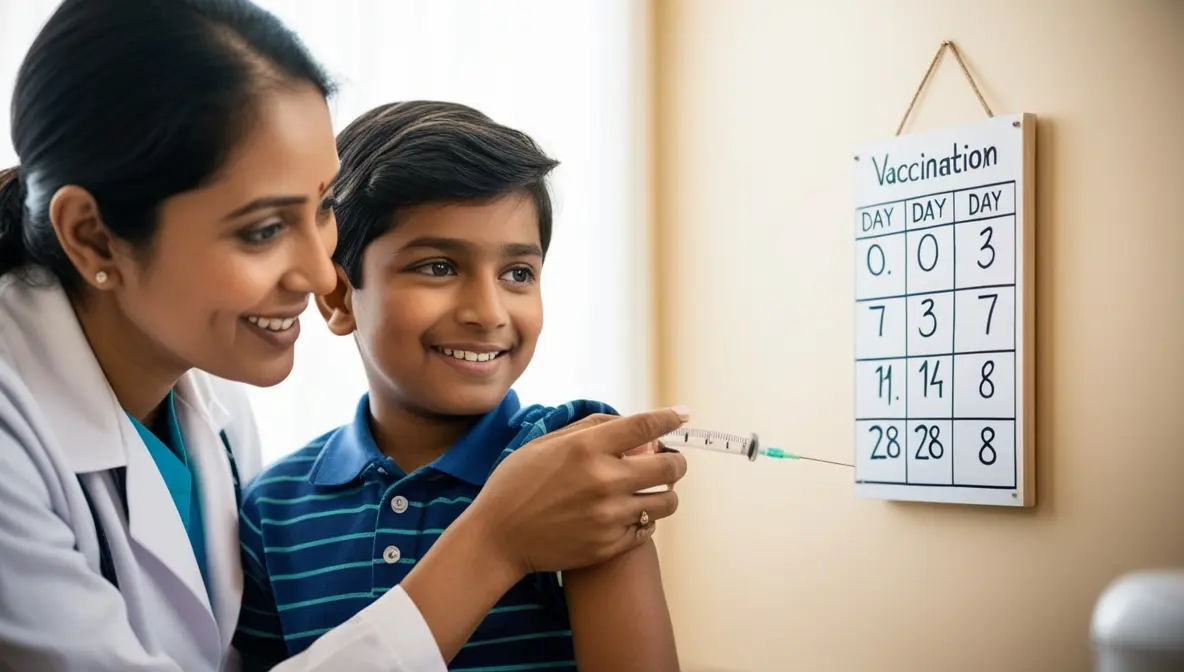
Rabies post-exposure vaccination schedule (PEP)
For people who need rabies vaccination after exposure, the commonly used intramuscular schedule (WHO and many national guidelines) is:
- Day 0 — first dose (the day of exposure)
- Day 3 — second dose
- Day 7 — third dose
- Day 14 — fourth dose
- Day 28 — fifth dose
Stick to the schedule. If a dose is delayed, contact your clinic — the vaccination course can usually be continued without restarting, but follow local clinician advice.
Do I need Rabies Immunoglobulin (RIG)?
RIG provides immediate antibodies and is indicated for Category III exposures. Below are the exposure categories commonly used for clinical decisions:
- Category I
- Touching or feeding animals, skin intact — no vaccine or RIG required.
- Category II
- Nibbling of uncovered skin, minor scratches or abrasions without bleeding — vaccine required, no RIG.
- Category III
- Single or multiple transdermal bites, contamination of mucous membrane with saliva (eyes, mouth), severe scratches, or any exposure to bats — vaccine + RIG required.
Timing: RIG should be given on Day 0 together with the first vaccine dose (or as early as possible, ideally within 24 hours; up to Day 7 may be considered depending on availability and guidance). RIG is injected locally into and around the wound to neutralize virus before vaccine-induced antibodies develop.
Wound care and other supportive measures
- After washing, apply a clean dressing. A tetanus check may be required depending on wound and immunization history.
- Pain can be managed with paracetamol or ibuprofen (follow doctor advice).
- Antibiotics are used only when there are signs of bacterial infection or as recommended for specific wounds.
Common patient questions (quick answers)
Can I wait a day or two to start the vaccine?
No — start as soon as possible. Do not wait for symptoms (they appear late and are fatal).
What if I miss a scheduled dose?
Contact your clinic immediately. Generally continue the schedule; do not stop the course.
Is the vaccine safe for children and pregnant women?
Yes — modern rabies vaccines are safe for children and are recommended in pregnancy if exposed. RIG is used in pregnant women too when indicated.
How painful is RIG injection?
It can be uncomfortable where injected, but it's critical for severe exposures. Local wound infiltration reduces systemic need and improves outcome.
Will insurance / government cover it?
Coverage varies. Many public hospitals provide PEP at low / no cost under government programs — check local public health facilities first.
When to call your doctor right away
- New or worsening pain, redness, pus or fever around the wound (possible bacterial infection).
- Missed vaccine dose and uncertainty how to continue.
- Any neurological symptoms (rare if treated early) such as severe headache, confusion, or difficulty swallowing — seek emergency care.
Final words from the doctor
Rabies is preventable — not curable once symptoms start. If bitten or scratched by an animal, act immediately: wash the wound, and get medical care for vaccination and RIG if needed. Following the full vaccine course is essential to ensure protection.
This article provides general clinical information and is not a substitute for professional medical advice. For personalised advice, contact your healthcare provider or nearest emergency facility.